 Pay Online
 Patient Portal
Winter Skincare Tips: How to Protect Your Skin All Season
Shorter days and colder temperatures change more than your wardrobe. Many people notice their skin feels tighter, rougher, or itchier once winter arrives, even if it behaves well the rest of the year. A few targeted changes to your routine can make a real difference. Our board-certified dermatologists share their top winter skincare tips to help you keep skin comfortable and hydrated until spring.
Why Winter Weather Is Hard on Your Skin
Your skin barrier, the outermost layer of skin, holds moisture in and keeps irritants out. In winter, that barrier is under pressure from several directions at once. Cold outdoor air holds very little moisture, and indoor heating dries the air even further. Wind strips away the natural oils that keep skin supple, and the long, hot showers that feel so good on a cold morning wash those oils away too.
When your skin loses moisture faster than it can replace it, it becomes dry, flaky, and more reactive. Tiny cracks can form on the surface, making it easier for everyday irritants to cause itching or redness.
Common Winter Skin Concerns We See in Our Patients
Dry skin in winter can range from mildly annoying to genuinely uncomfortable. Some of the concerns our providers see most often this time of year include:
- Rough, flaky patches on the arms, legs, and hands
- Itchy skin that worsens at night or after bathing
- Chapped or cracked lips
- Facial redness and sensitivity, especially for people with rosacea
- Eczema and psoriasis flares
- Itchy scalp in winter, often with flaking that resembles dandruff
- Cracked fingertips and knuckles from frequent handwashing
A Winter Skincare Routine Dermatologists Recommend
You don’t need a complicated regimen to protect your skin this season. A consistent winter skin care routine and a few smart product swaps go a long way toward supporting skin barrier repair.
Moisturize the Right Way
If you’re wondering how to keep skin hydrated in winter, timing matters as much as the product you choose. Apply moisturizer within a few minutes of bathing or washing your hands, while your skin is still slightly damp, to help lock in water. Thicker creams and ointments typically work better than lightweight lotions during colder months. Look for fragrance-free formulas with ingredients like ceramides, glycerin, hyaluronic acid, or petrolatum.
Your shower habits matter too. Keep showers short and lukewarm, use a gentle, fragrance-free cleanser, and pat skin dry instead of rubbing. Running a humidifier in your bedroom overnight can also add moisture back to dry indoor air.
Don’t Skip Daily SPF
UV rays don’t take the winter off. They can still reach your skin on cloudy days, and snow reflects sunlight, which increases exposure during outdoor activities. Apply a broad-spectrum sunscreen with SPF 30 or higher to your face, neck, and other exposed skin every day. If you’re skiing, hiking, or spending extended time outside, reapply every two hours. Many daily moisturizers include SPF, which makes this step easier to keep up with.
Protect Hands, Lips, and Scalp
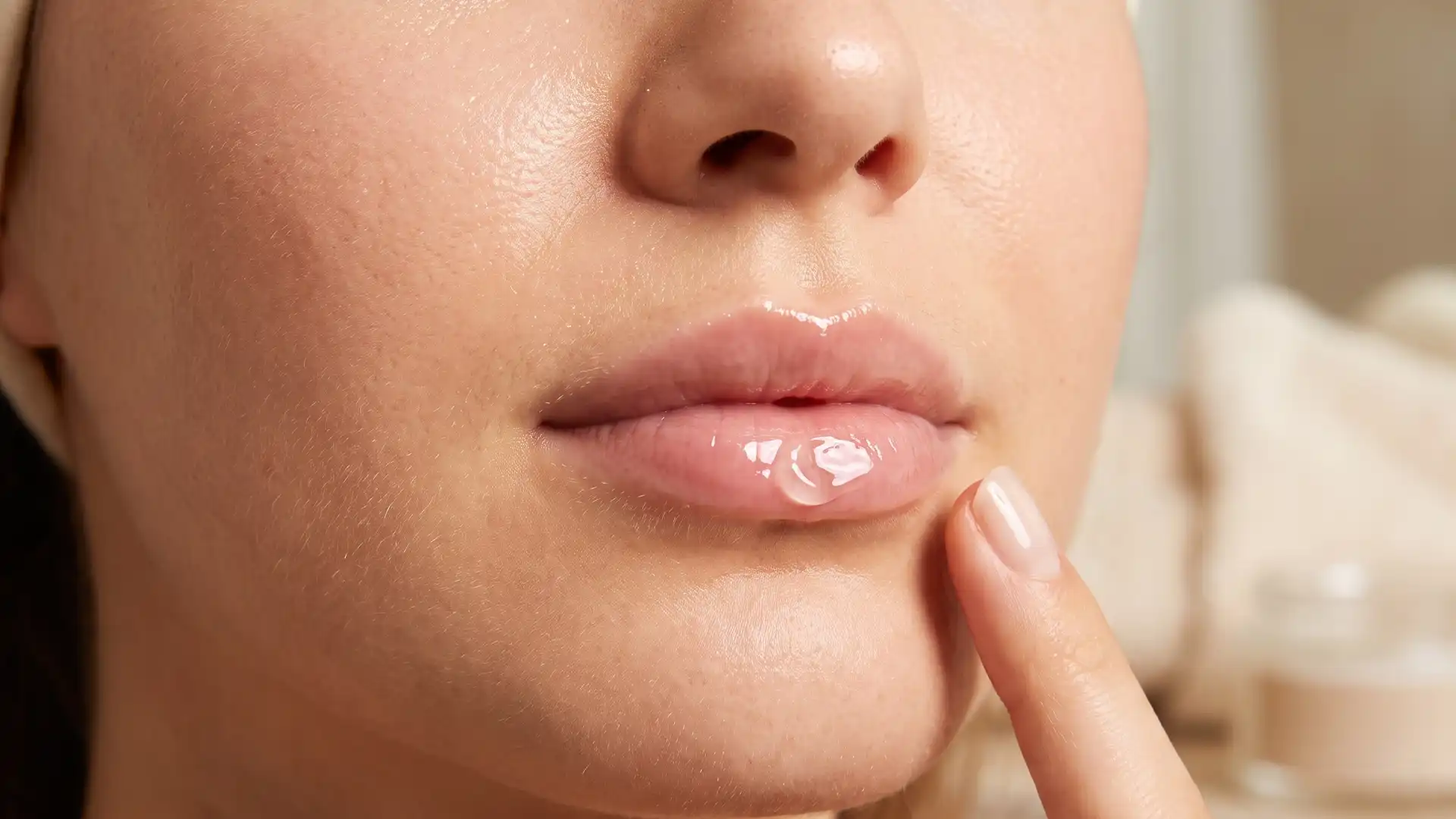
These areas often take the hardest hit in winter. Keep a hand cream near every sink and reapply after each wash, and wear gloves outdoors to shield your hands from cold and wind. For lips, choose a fragrance-free balm or ointment, ideally with SPF, and try not to lick them, which makes chapping worse.
If your scalp feels itchy or tight, wash with lukewarm water and a gentle shampoo, and limit heat styling when you can. Persistent flaking may point to seborrheic dermatitis, which often responds well to medicated shampoos a dermatologist can recommend.
When Winter Skin Problems Need a Dermatologist
Most winter dryness improves with consistent home care, but some symptoms deserve a closer look. Schedule a visit with a dermatologist if you notice:
- Dryness or itching that doesn’t improve after a few weeks of regular moisturizing
- Itching that keeps you up at night
- Cracks that bleed, ooze, or show signs of infection, like warmth or swelling
- Red, scaly, or thickened patches that could signal eczema or psoriasis
- Facial redness or flushing that doesn’t settle down
Our medical dermatology team can identify what’s behind your symptoms and recommend prescription-strength options when over-the-counter products aren’t enough.
Frequently Asked Questions About Winter Skincare
How often should I moisturize my skin in winter?
Most people benefit from moisturizing at least twice a day, plus after every shower, bath, or handwashing. If your skin is very dry, applying a thicker cream or ointment before bed gives it extra time to absorb overnight.
Can cold weather make eczema or psoriasis worse?
Yes. Dry air and indoor heat are common eczema triggers, and cold weather combined with less natural sunlight can make psoriasis harder to control. If your symptoms follow a seasonal pattern, a dermatologist can help adjust your treatment plan before flares begin.
Do I still need sunscreen in the winter?
Yes. UVA rays, which contribute to skin aging and skin cancer, are present year-round and can pass through clouds and windows. Daily broad-spectrum SPF 30 is one of the simplest ways to protect your skin in every season.
Ready For Healthier Skin This Winter? Schedule Your Consultation with Board-Certified Dermatologists
Winter doesn’t have to mean months of dry, uncomfortable skin. Whether you’re managing a stubborn eczema flare, persistent itching, or redness that won’t calm down, our board-certified dermatologists can build a plan around your skin and your routine. From our dermatologists in Maryland to practices across the Mid-Atlantic and Southeast, expert medical and aesthetic dermatology is always close to home. Schedule online today to find a dermatologist near you.