 Pay Online
 Patient Portal
Can You Reverse Sun Damage on Your Face?
Years of sun exposure leave a mark, sometimes literally. If you’re noticing sun spots, uneven tone, or skin that looks a little more worn than you feel, you’re not alone. The good news: many of the visible effects of sun damage can be improved with the right treatments. Here’s what our board-certified dermatologists want you to know.
What Does Sun Damage Actually Do to Your Skin?
Sun damage is cumulative, meaning every unprotected hour adds up over time. The two primary culprits are UVA and UVB rays. UVA rays penetrate deeply into the skin, breaking down collagen and elastin, which leads to wrinkles, loss of firmness, and a dull, uneven complexion. UVB rays damage skin cells at the surface level and are responsible for sunburns and, over time, increased skin cancer risk.
Visible signs of sun damage on the face include:
- Brown spots and sun spots
- Hyperpigmentation and discoloration
- Fine lines and wrinkles
- Rough or uneven texture
- Broken blood vessels
- Loss of elasticity
- A general “tired” look that doesn’t go away
Treatment Options to Reverse Sun Damage
The degree to which sun damage can be reversed depends on how deep and how longstanding the damage is. That said, today’s sun damage skin treatments have come a long way. A dermatologist can recommend a personalized plan based on your skin type, concerns, and goals. Here are some of the most effective options.
Chemical Peels for Sun Damage
Chemical peels use a carefully formulated solution to remove the outer layers of damaged skin, encouraging fresh, healthier skin to emerge. They’re particularly effective for sun spots on the face, uneven tone, and rough texture. Peels range from light to deep depending on your skin’s needs, and your provider will recommend the right depth. Some mild redness and peeling is normal post-treatment, and consistent sunscreen use afterward is essential.
Photofacial (Intense Pulsed Light)
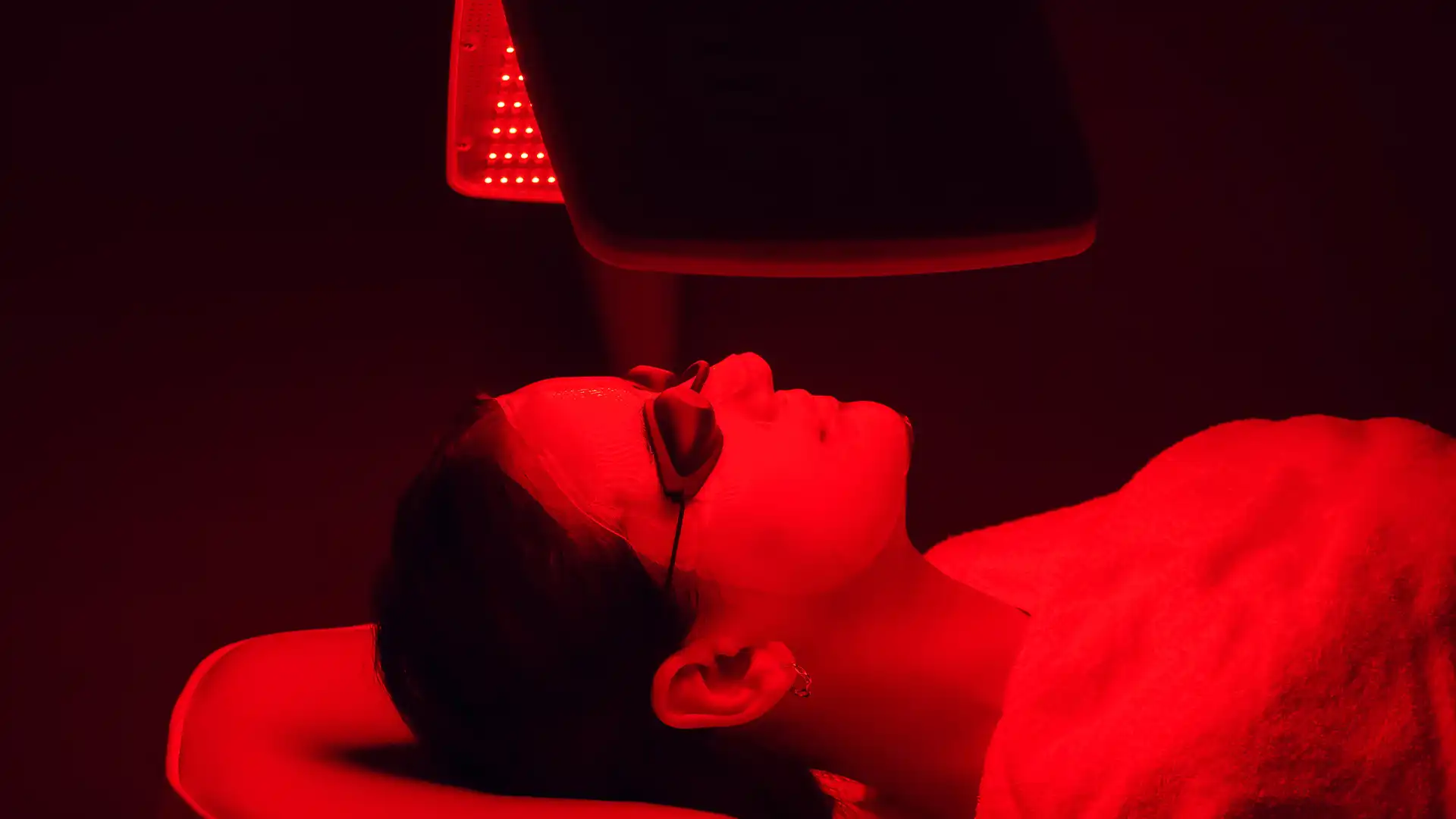
IPL for sun damage, sometimes called a photofacial, is one of the most popular treatments for targeting sun spots and discoloration. Intense Pulsed Light uses broad-spectrum light energy to break up pigment and reduce the appearance of brown spots, redness, and broken capillaries, which are all common results of long-term sun exposure. It’s noninvasive, requires little downtime, and often produces noticeable results within a few weeks. A series of treatments is typically recommended for best results.
Laser Skin Resurfacing
Laser treatment for sun damage works by addressing pigmentation, texture, and collagen loss at a deeper level than topical treatments alone. Depending on the type of laser used, treatment can target surface-level spots or stimulate collagen remodeling from within. Fractionated lasers, for example, create controlled zones of treatment that prompt the skin to heal itself, revealing smoother, more even-toned skin. Recovery time varies based on the type and depth of the laser used.
Microdermabrasion
Microdermabrasion is a gentler, noninvasive option that physically exfoliates the outer layer of skin to improve texture, tone, and the appearance of mild sun damage. It’s a good starting point for those with early-stage sun damage or as a maintenance treatment between other procedures. Multiple sessions are usually recommended.
When to See a Dermatologist for Sun Damage
Before focusing on aesthetics, it’s worth addressing the health of your skin first. An annual full-body skin check with a board-certified dermatologist is the right starting point, especially if you have a history of significant sun exposure, blistering sunburns, or a family history of skin cancer. Your dermatologist will evaluate the health of your skin from head to toe, including areas that are easy to overlook.
Once your skin gets a clean bill of health, your provider can shift to addressing visible sun damage and building a treatment plan tailored to your skin.
How to Prevent Further Sun Damage
Reversing sun damage is only part of the equation. Protecting your skin going forward matters just as much. Apply a broad-spectrum SPF 30 or higher every day, even on overcast days, and reapply after swimming, heavy perspiration, or every 90 minutes outdoors. Seek shade during peak sun hours (roughly 10am to 4pm), and consider wide-brimmed hats and sun-protective clothing as part of your routine. These skin habits make a real difference in the long run.
Start Reversing Sun Damage With Dermatologists You Can Trust
Sun damage is common, but it doesn’t have to be permanent. At Anne Arundel Dermatology, our board-certified dermatologists offer personalized skin care plans and proven treatments for sun damage, from chemical peels and IPL to laser resurfacing and beyond. Whether you’re just starting to notice changes or want to address years of accumulated sun exposure, we’re here to help. Schedule online today to get started.
Key Takeaways
- Sun damage from UVA and UVB rays causes wrinkles, sun spots, uneven tone, and long-term skin health concerns.
- Effective treatments for sun damage on the face include chemical peels, IPL photofacials, laser resurfacing, and microdermabrasion.
- Start with a full-body skin check to confirm skin health before pursuing cosmetic treatment.
- Daily broad-spectrum sunscreen and sun-protective habits are essential to prevent further damage.
- A board-certified dermatologist can build a personalized plan that fits your skin type, concerns, and goals.