 Pay Online
 Patient Portal
Your Guide to IPL Photo Rejuvenation
If sun damage, rosacea, or uneven skin tone have you searching for a solution, intense pulsed light (IPL) treatment may be worth exploring. This non-invasive option is one of the most popular ways to address common skin concerns without downtime or surgery. Here’s what IPL treatment is, how it works, and what to expect if you’re considering it.
What Is IPL Treatment and How Does It Work?
IPL, or intense pulsed light, is a light-based treatment that targets pigment and blood vessels beneath the skin’s surface. Unlike a single-wavelength laser, IPL delivers multiple wavelengths of light in one pulse. The light is absorbed by targeted pigment or blood vessels, which then break down and are naturally cleared by the body over the following weeks.
Because IPL works below the surface, it can improve skin tone and texture without damaging the outer layer of skin. Many patients know this treatment as photo rejuvenation, since it’s designed to refresh the skin’s overall appearance rather than address a single concern.
What IPL Photo Rejuvenation Can Treat
IPL is versatile and can address a range of skin concerns, including:
- Rosacea
- Hyperpigmentation and brown spots
- Fine lines and early wrinkles
- Uneven texture
- Enlarged, visible pores
- Melasma
- Freckles
- Sun spots and age spots
- Broken capillaries
Because IPL treats several concerns at once, it’s often a good fit for patients who want an overall refresh rather than a single, targeted fix.
What Are The Benefits of IPL?
Patients choose IPL for several reasons:
- Fast, convenient sessions. Most treatments take well under an hour, making it easy to fit into a lunch break or a busy week.
- Treats multiple areas. IPL works on the face, neck, chest, and hands, so patients can address sun damage wherever it shows up.
- Minimal downtime. IPL doesn’t require an incision or extended recovery, so most patients return to their normal routine right away.
What to Expect Before, During, and After IPL Treatment
Before your treatment, a provider will review your skin, medical history, and goals to confirm IPL is the right fit. Certain skin tones and conditions may not be good candidates for IPL, so this consultation step matters.
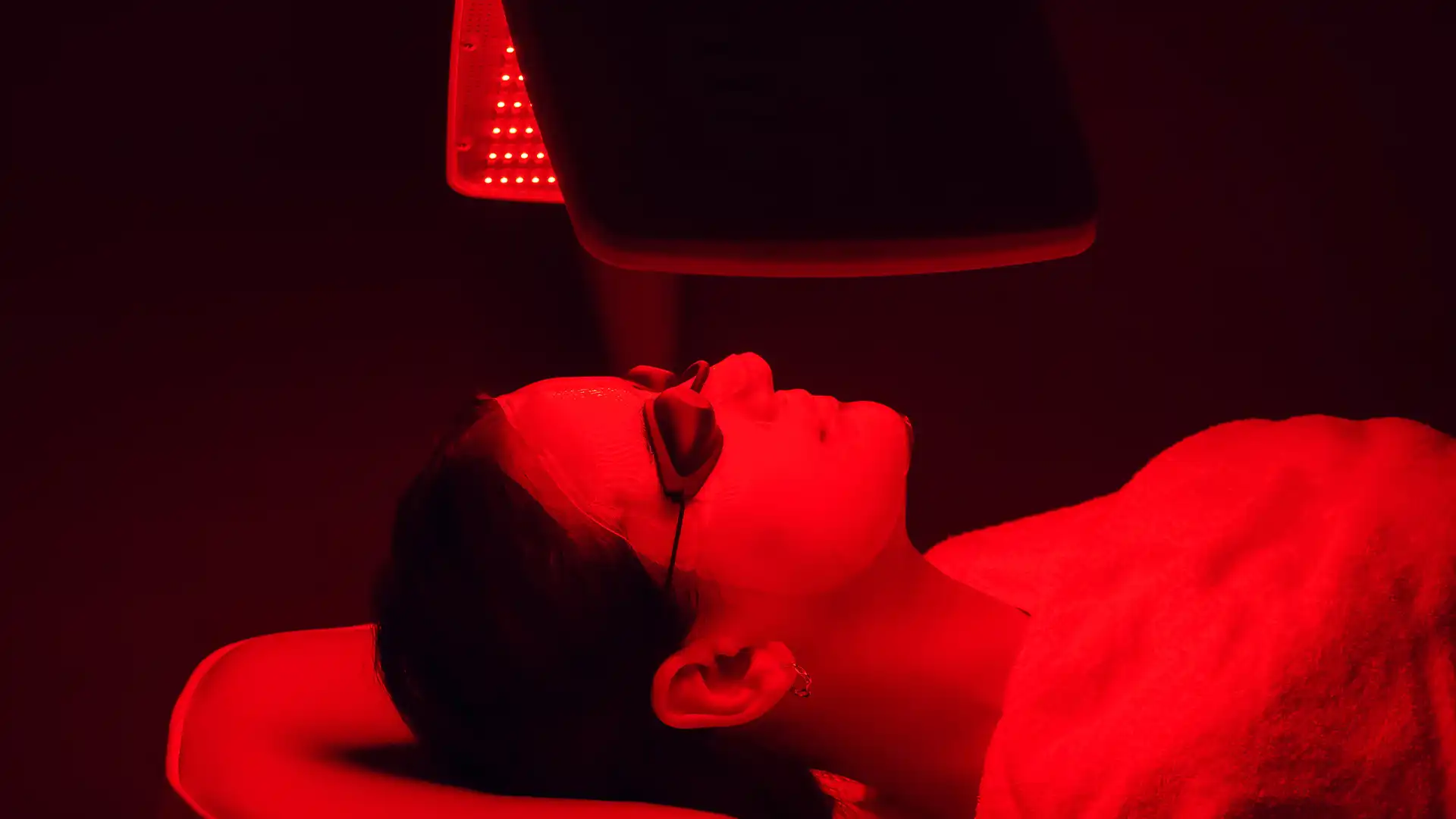
During the session, a cooling gel is applied to protect the skin, and a handheld device delivers pulses of light to the treatment area. Most patients describe the sensation as a mild snapping feeling, similar to a rubber band against the skin.
Afterward, some redness or mild swelling is normal and typically fades within a few hours to a day. Treated pigment may darken temporarily before flaking off naturally over the following one to two weeks. Sunscreen and sun avoidance are essential during recovery, since treated skin is more sensitive to UV exposure.
Frequently Asked Questions About IPL Photo Rejuvenation
Does IPL tighten skin?
IPL is primarily designed to improve tone and pigment rather than tighten skin. Patients looking for skin tightening may want to ask their provider about complementary treatments during a consultation.
How much does IPL treatment cost?
IPL pricing varies based on the treatment area, the number of sessions needed, and each patient’s specific goals. The best way to get an accurate estimate is to schedule a consultation, where a provider can build a personalized treatment plan and pricing overview.
How many IPL sessions do I need to see results?
Most patients benefit from a series of treatments rather than a single session, since IPL works gradually as the body clears treated pigment. Your provider will recommend a specific number of sessions based on your skin’s condition and your goals.
Ready to Refresh Your Skin? Schedule Your IPL Consultation With Our Aesthetic Dermatologists
Sun damage, rosacea, and uneven tone don’t have to be permanent. Our board-certified dermatologists and aesthetic experts can help you determine whether IPL treatment is right for your skin. Schedule an aesthetic consultation today!