Maybe it’s the sun spots that appeared after years of summers outdoors, or acne scars that never fully faded. Maybe you’re just tired of shaving. Laser and light treatments can help, but with so many device names, it’s hard to know where to start.
Here’s what you’ll want to know before your cosmetic laser treatment consultation.
How Do Cosmetic Lasers and Light Treatments Work?
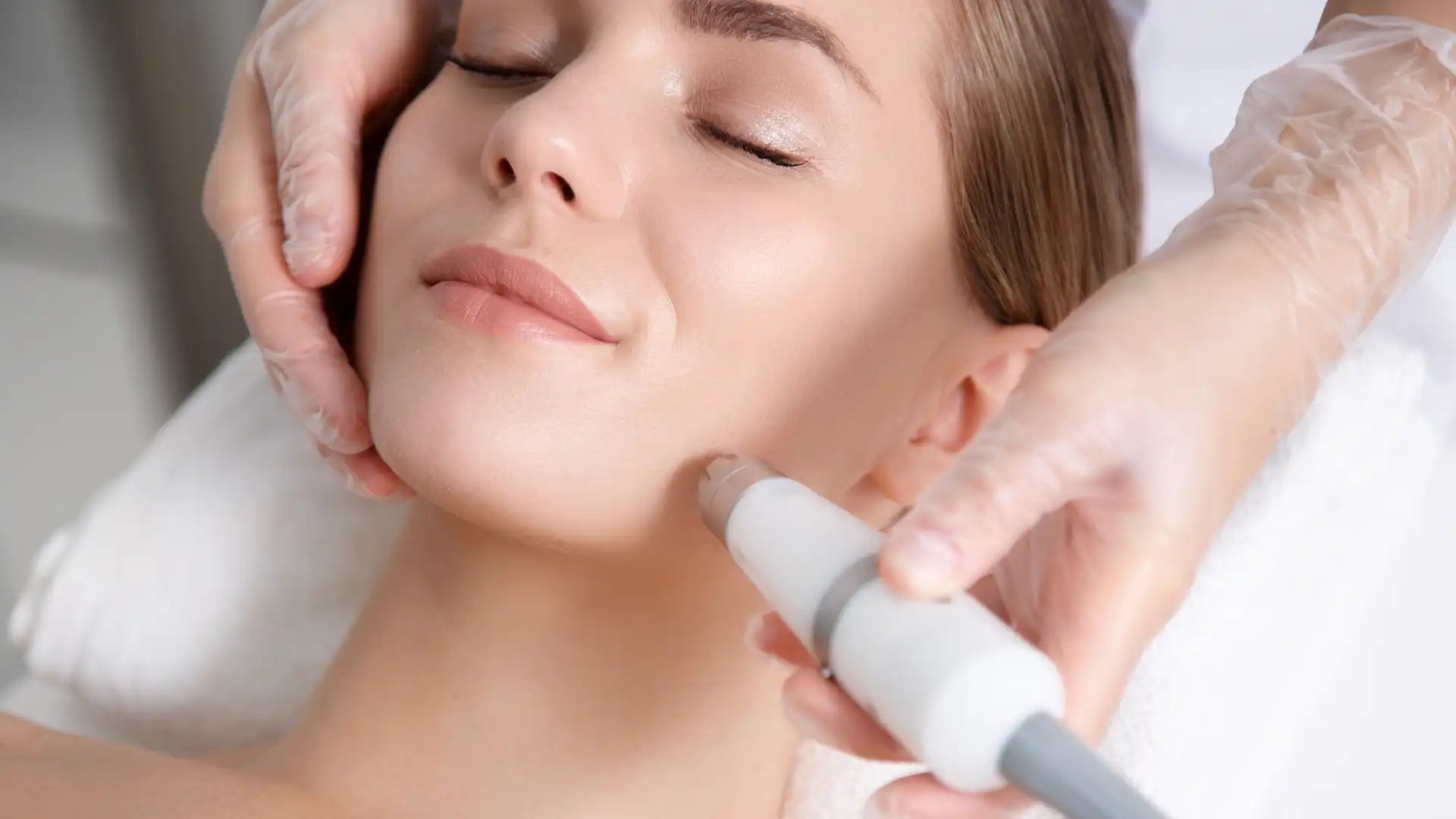
Both use controlled energy that’s absorbed by a specific target in your skin, such as pigment in a sun spot, blood vessels that cause redness, or the pigment in a hair follicle. That gentle heat prompts your body to clear damaged cells and build fresh collagen over the following weeks.
The difference is in delivery. Lasers focus a single wavelength on a specific target for precise results, while light-based devices use a broader range of wavelengths to address multiple surface concerns in a single session.
What These Treatments Can Improve
Depending on the device, laser and light treatments can help with:
- Fine lines and wrinkles
- Uneven skin tone and sun damage
- Redness and visible blood vessels
- Acne and acne scars
- Rough texture and enlarged pores
- Unwanted hair
Light-Based vs. Laser-Based Devices
| Light-Based Devices | Laser-Based Devices | |
| Technology | Broad-spectrum — multiple wavelengths of light delivered at once | A single, concentrated wavelength delivering more precise, targeted energy |
| How It Works | Scatters energy across a range of wavelengths, so one pass can address several surface concerns at once (pigment, redness, texture) | Focuses energy on one specific target — such as a hair follicle or water in skin cells — for more precise treatment |
| Best For | Broader, surface-level concerns: overall tone, mild redness, sun damage, general photorejuvenation | More specific or deeper concerns: unwanted hair, fractional resurfacing, targeted renewal |
| Typical Downtime | Minimal — often just mild redness for a few hours | Varies by device |
| Typical Sessions Patterns | Often a series of 3–6 sessions spaced a few weeks apart | Varies — hair removal typically needs a series; resurfacing lasers like Halo can show visible results in fewer sessions |
| AAD Treatments | BBL (BroadBand Light), IPL/Photorejuvenation, LED Light Therapy | Halo Fractional Laser, Aerolase, Laser Hair Removal |
Popular Cosmetic Laser and Light Treatments at Anne Arundel Dermatology
Licensed medical providers perform or oversee every treatment, and board-certified dermatologists back them up.
Laser Hair Removal for Unwanted Hair
Laser hair reduction targets the pigment in hair follicles, disabling them so they produce less hair over time. However, because the laser only affects hair in its active growth phase, you’ll need a series of sessions spaced several weeks apart. Many patients also see fewer ingrown hairs.
BBL, Halo, and IPL for Skin Tone and Texture
If damage from the sun or an uneven complexion is your main concern, BBL and IPL are often a good starting point. Both use pulses of broad-spectrum light to fade brown spots and calm redness with very little downtime.
HALO takes a different approach. This hybrid fractional laser creates microscopic treatment zones that stimulate collagen and resurface rough texture, fine lines, and enlarged pores. Expect a few days of redness and peeling as your skin renews.
Targeted Treatments — Aerolase, LED Light Therapy, and Phototherapy
Aerolase uses quick pulses of laser energy to treat active acne, rosacea, and redness across a wide range of skin tones. LED light therapy is a gentle option with no downtime. It uses blue light to target acne-causing bacteria and red light to calm inflammation.
Light-based care also extends into medical dermatology. Phototherapy, including excimer laser treatment, helps manage psoriasis and vitiligo. Photodynamic therapy treats precancerous actinic keratoses.
Is Laser Treatment Right for You?
The right treatment ultimately depends on your unique skin type, concerns, and how much downtime you can plan around. Some devices aren’t recommended for certain skin tones. Recent sun exposure or some medications can also affect timing, so every plan starts with a consultation.
Our aesthetic providers work alongside board-certified dermatologists, so a spot that needs a closer look can be evaluated right away. Laser treatments can also complement medical and surgical care, such as softening scars after Mohs surgery.
Frequently Asked Questions About Cosmetic Lasers and Laser Hair Skin Treatments
Is laser hair removal permanent?
It offers long-lasting results but isn’t considered permanent. Most patients see a significant reduction in growth after a full series. Occasional maintenance sessions help keep results consistent as hair cycles and hormones change.
Do laser treatments hurt?
Most patients describe a quick snap or a sensation of warmth on the skin. Sensation varies by device and area, and your provider may use cooling or a numbing cream to keep you comfortable.
Can laser treatment help with sun damage?
Yes. BBL, IPL, and HALO can fade sun spots and even out tone caused by years of UV exposure. Daily broad-spectrum SPF 30 or higher helps protect your results.
How many laser treatment sessions will I need?
This depends on the specific treatment approach and your