
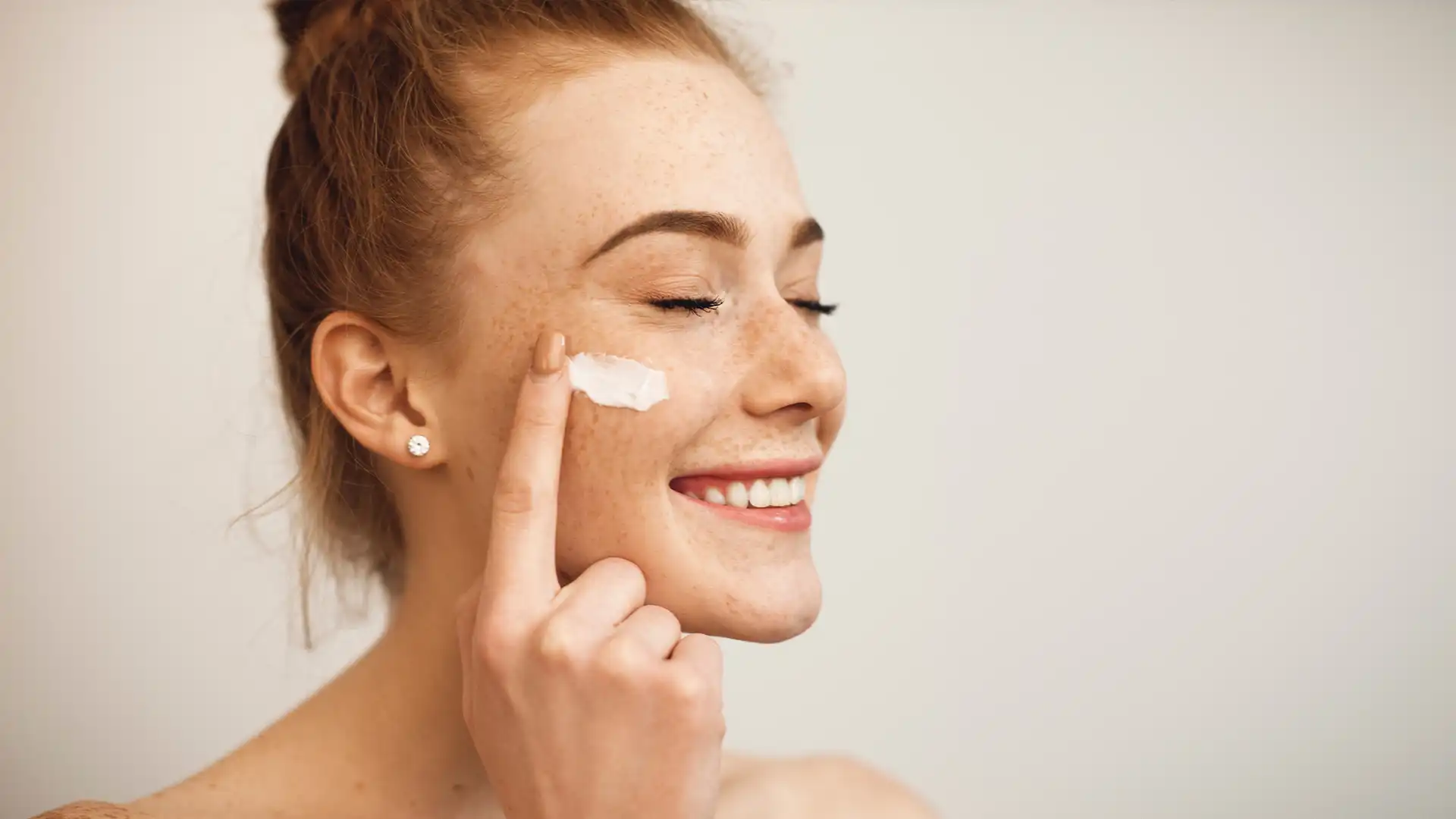
Our skin is constantly evolving. The moisturizer that worked in your early twenties might leave your skin feeling parched in your fifties, and the harsh exfoliants used in youth can easily irritate mature skin. Understanding skincare by age allows you to adapt your routine to meet your skin’s changing physiological needs, helping maintain healthy, vibrant skin at every age.
Whether you are looking to build a preventative routine or looking for targeted treatments to restore loss of skin elasticity, partnering with an expert provider makes all the difference. At Anne Arundel Dermatology, our team offers both comprehensive medical dermatology and advanced aesthetic dermatology to support your skin’s health through every decade.
Your 20s and 30s: Prevention Pays Off Later
In your 20s, cell turnover and collagen production are still at their peak, but environmental factors like UV exposure and pollution silently begin to take a toll. By your 30s, natural collagen production slows down, leading to fine lines and subtle shifts in texture or tone.
Focusing on prevention during these early adult years pays massive dividends for your future skin health. A strong, simplified best skincare routine for your 20s and 30s should focus on defense and repair:
- Daily Broad-Spectrum Sunscreen: Apply a broad-spectrum SPF 30 or higher every single morning, regardless of the weather.
- Incorporate Antioxidants: Vitamin C serum can help neutralize free radicals that can cause signs of aging.
- Introduce Retinoids: Start applying an over-the-counter retinol or prescription retinoid at night in your late 20s or early 30s to stimulate cell turnover and support collagen levels.
- Hydrate and Protect the Skin Barrier: Choose a balanced moisturizer suited to your skin type to keep your moisture barrier intact and prevent inflammation.
Your 40s and 50s: Addressing Visible Aging
During your 40s and 50s, hormonal shifts—particularly peri-menopause and menopause—lead to a noticeable decrease in estrogen, which accelerates collagen loss and moisture depletion. You may notice increased skin dryness, deeper static wrinkles, loss of firmness, and hyperpigmentation.
At this stage, your skincare routine for aging skin needs richer formulations and collagen-boosting ingredients:
- Prioritize Richer Moisture & Ceramides: Switch to ultra-hydrating cleansers and rich creams infused with ceramides, hyaluronic acid, and fatty acids to restore lost moisture.
- Upgrade Your Retinoid: If you haven’t already, speak with a board-certified dermatologist about upgrading to prescription-strength tretinoin.
- Target Hyperpigmentation: Talk to your dermatologist about incorporating brighteners like niacinamide or azelaic acid to help fade sun spots.
- Explore Non-Invasive Aesthetic Treatments: In-office aesthetic treatments - such as chemical peels, microneedling, or laser therapy - can help prevent signs of aging.
Your 60s and Beyond: Protecting Thinner, More Sensitive Skin
In your 60s and beyond, the skin grows thinner, drier, and more fragile, making gentle care and deep hydration top priorities.To protect and comfort mature skin, tailor your daily care with these protective habits:
- Focus on Gentle Cleansing: Use mild, creamy, non-foaming cleansers.
- Apply Barrier-Repairing Oils & Ointments: Look for rich creams to seal in moisture and prevent dryness or itching.
- Simplify and Avoid Harsh Actives: Reduce the frequency of exfoliants or acids that could irritate mature skin.
- Protect exposed skin: Continue applying daily sunscreen to exposed areas like the face, neck, chest, and hands to prevent further sun damage.
Frequently Asked Questions About Age-Defying Skincare
When should I start using anti-aging products?
While sunscreen is important for skin care starting in childhood, introducing Vitamin C and retinoids in your mid-20s helps preserve existing collagen before significant visible signs of aging appear.
Does my skin care routine need to change every decade?
Yes. As your hormone levels, cell turnover, and natural lipid production evolve over time, your products must adapt. Updating your regimen ensures you are providing your skin with the precise hydration, protection, and active ingredients it requires.
How often should I get a skin cancer screening?
A yearly full-body skin check allows your doctor to detect suspicious moles, precancerous spots, or early skin cancers long before they become serious. If you have a personal or family history of skin cancer, your dermatologist may recommend more frequent visits.
Receive Personalized Skin Care at Every Age From Board-Certified Dermatologists
Healthy, radiant skin is achievable at every age - it just requires the right approach and expert guidance. Whether you are building a preventative routine in your 20s or seeking targeted rejuvenating care in your 50s and beyond, the team at Anne Arundel Dermatology is here to support you.
Our board-certified dermatologists and aesthetic providers offer comprehensive evaluations, personalized medical care, and aesthetic solutions tailored specifically to your skin's unique journey. If you are searching for an experienced dermatologist in Maryland or looking for a trusted dermatologist near you, we invite you to take the next step in your skin health. Check out our locations and https://aadermatology.com/contact/ with Anne Arundel Dermatology today.