
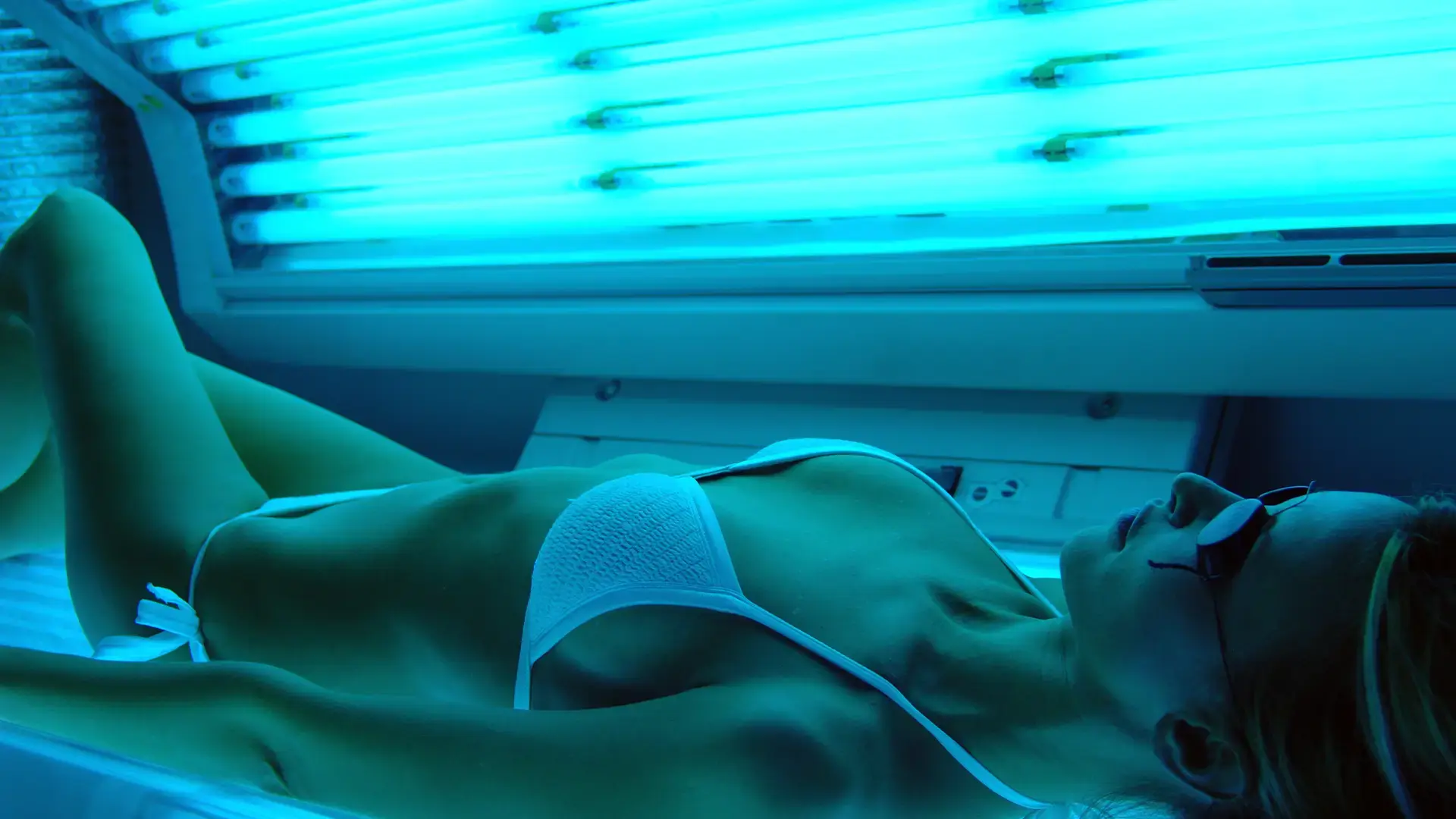
It is easy to see the appeal of a warm indoor tanning session and a sun-kissed glow, especially during the cold months of winter. However, beneath that temporary bronze lies severe, lasting harm to your skin. Many people still wonder: are tanning beds bad for you, or are they a controlled, even safer alternative to natural sunlight?
The short answer from dermatologists is clear: indoor tanning is never safe. Radiation exposure from tanning equipment causes deep cellular disruption that drastically increases your risk of life-threatening disease and accelerates physical aging. At Anne Arundel Dermatology, our mission is to provide clear, evidence-based guidance to help you protect your skin’s health and maintain a youthful, glowing complexion safely.
What Tanning Beds Actually Do to Your Skin
- Cellular DNA Damage: Exposure to concentrated UV radiation breaks down the DNA in skin cells, forcing the skin to produce melanin as a defensive response to trauma.
- Depletion of Skin Immunity: High levels of UV radiation weaken local immune defenses in the tissue.
- Structural Breakdown: Radiation penetrates deep into the dermis, destroying essential proteins like collagen and elastin that keep skin firm and smooth.
- Cumulative Exposure Risks: Every single session adds up over time; there is no such thing as a "safe base tan" to protect you from future burns.
The Real Health Risks of Indoor Tanning
Understanding the true indoor tanning risks requires a closer look at what happens beneath the skin's surface after exposure.
Skin Cancer Risk - Melanoma and Basal Cell Carcinoma
The link between artificial UV radiation and skin cancer is overwhelming. Using an indoor tanning bed before the age of 35 increases your risk of developing malignant melanoma-the most serious and dangerous form of skin cancers-by an astonishing 75%.
Indoor tanning can also drastically raise the likelihood of developing basal cell carcinoma, another form of skin cancer. While basal cell carcinoma grows more slowly, it can cause severe tissue destruction and permanent disfigurement if left untreated. UV radiation directly mutates skin cells, causing uncontrolled growth that leads to both non-melanoma and melanoma skin cancers.
Premature Aging and Photoaging
Beyond the risk of malignancy, UV exposure causes premature aging. Dermatologists use the term photoaging to describe visible, premature skin aging directly caused by concentrated UV exposure, distinct from the natural chronological aging process.
Unlike normal aging-which occurs gradually over decades-photoaging speeds up skin deterioration dramatically. Deep UV penetration breaks down the skin's supportive matrix, resulting in concrete symptoms such as:
- Deep, stubborn fine lines and premature wrinkles
- A coarse, leathery skin texture
- Hyperpigmentation, including dark spots, sun spots, and uneven skin tone
- Lost elasticity and sagging skin around delicate facial areas
Protecting Your Skin - Safer Alternatives and Routine Checks
Protecting your health does not mean giving up a sun-kissed look. By adopting smarter habits, you can enjoy radiant skin while eliminating UV risks.
- Embrace Sunless Tanners
- Apply Broad-Spectrum Sunscreen
- Perform Regular Self-Exams
- Schedule Annual Skin Care Exams
Frequently Asked Questions About Tanning Bed Dangers
Are tanning beds bad for you?
Yes, tanning beds are extremely dangerous. The World Health Organization classifies indoor tanning devices as Group 1 carcinogens-putting them in the same hazard category as tobacco smoke and asbestos due to their proven ability to cause skin cancer and cellular DNA damage.
Are tanning beds safer than the sun?
No, tanning beds are not safer than the sun. Tanning beds can emit UVA radiation at stronger levels than natural midday sunlight, drastically accelerating skin damage and dramatically increasing your skin cancer risk.
Do tanning beds cause wrinkles?
Yes, tanning beds cause premature wrinkles and fine lines through photoaging. UV radiation breaks down the vital collagen and elastin fibers in your dermis that keep skin smooth, supple, and firm, leading to premature sagging, dark spots, and a leathery texture.
How often should I get a skin cancer screening?
Most adults should schedule annual skin care exams for a professional skin cancer screening. If you have a personal or family history of skin cancer, numerous moles, or a history of indoor tanning bed use, your dermatologist may recommend a routine skin check more frequently.
Skip the Tanning Bed - Schedule a Skin Check Instead
Your skin is your body's largest organ, and it deserves proactive, expert care. Choosing to skip the tanning bed is one of the most powerful decisions you can make to protect your health, maintain youthful skin, and prevent life-threatening disease.
At Anne Arundel Dermatology, our team of experienced dermatologists in Maryland is here to help you monitor your skin health and catch potential issues as early as possible. Take charge of your wellness today-schedule your comprehensive skin cancer screening with our trusted specialists.