 Pay Online
 Patient Portal
Seasonal Allergies and Your Skin: What You Should Know
As the seasons change, you may expect sneezing, congestion, and watery eyes, but your skin can be affected too. Seasonal allergies don’t just impact your sinuses; they can trigger itchy skin, rashes, and flare-ups of existing skin conditions.
If you’ve noticed your skin becoming more sensitive during allergy season, you’re not imagining it. Let’s explore the various ways seasonal allergies can affect your skin.
How Seasonal Allergies Can Impact Your Skin
Seasonal allergies, often called hay fever, occur when your immune system overreacts to environmental triggers like pollen, mold, or grass. They affect as many as 1 in 5 Americans. While these allergens are airborne, they can still affect your skin by:
- Triggering inflammation
- Weakening your skin barrier
- Worsening existing conditions like eczema
Because allergens are more prevalent in spring, summer, and fall, many people notice recurring skin issues during these times of year.
Common Skin Symptoms Caused by Seasonal Allergies
Allergy-related skin symptoms can vary, but commonly include:
- Itchy skin (pruritus)
- Redness or irritation
- Rashes or small bumps
- Dry, flaky patches
- Swelling or puffiness
- Hives (raised, itchy welts)
These symptoms may appear suddenly or worsen over time, especially with continued exposure to allergens.
Types of Skin Reactions Linked to Allergies
Eczema and Seasonal Allergies
Eczema (atopic dermatitis) isn’t caused directly by allergies, but there is a strong connection. Seasonal allergens like pollen and dust can trigger flare-ups, leading to dry, inflamed, and itchy skin. Managing exposure is key to reducing symptoms.
Hives (Urticaria)
Hives are raised, red, and intensely itchy welts that can appear after exposure to an allergen. They may last for a few hours or several days and often come and go quickly. Pollen exposure during peak allergy seasons is a common trigger.
Allergic Contact Dermatitis
This occurs when your skin reacts after direct contact with an allergen, such as plants, fragrances, or certain skincare products. Symptoms include redness, itching, and sometimes blistering.
Dryness and Irritation
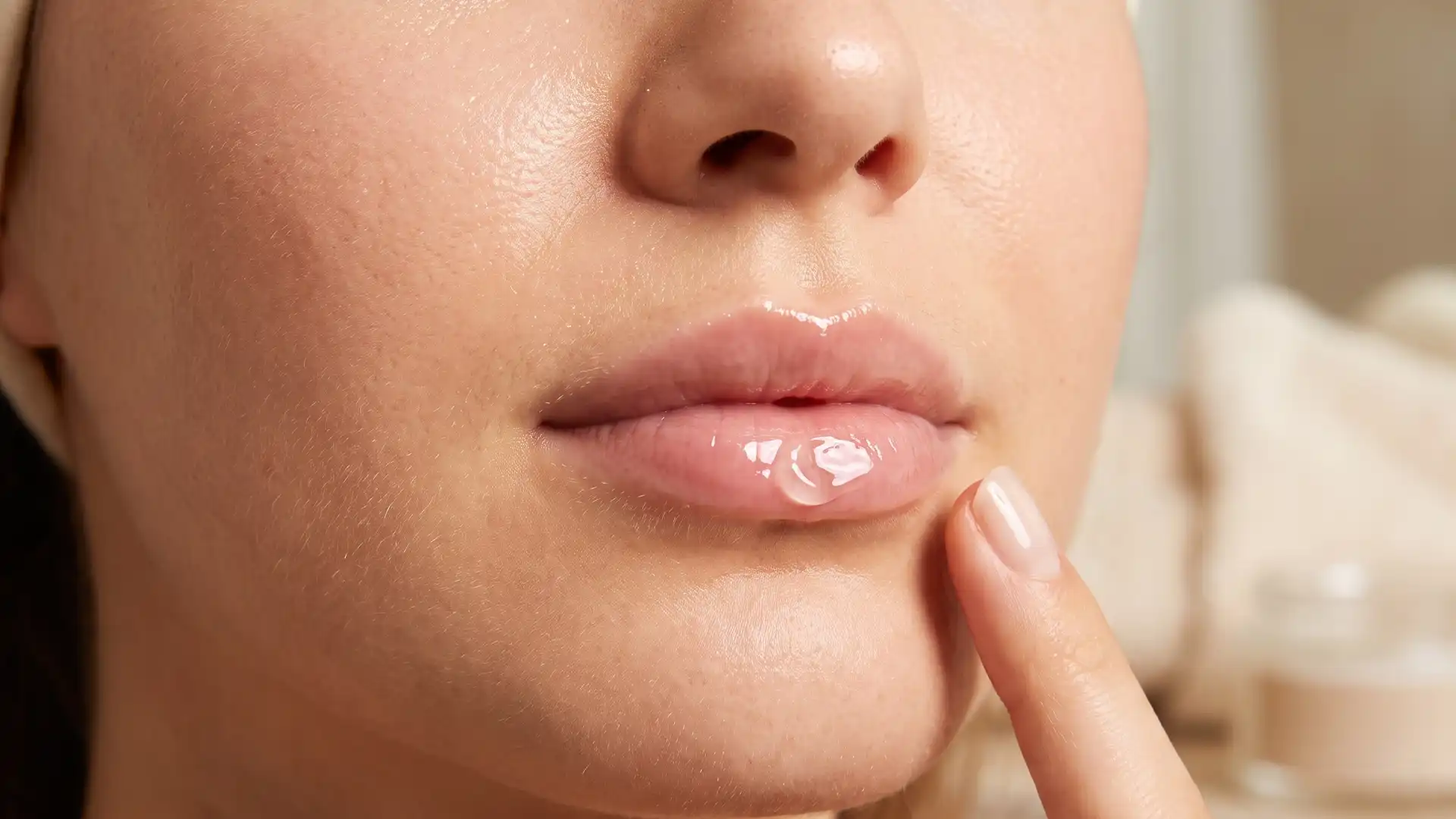
Frequent nose wiping, watery eyes, and environmental exposure can leave skin dry, chapped, and sensitive, especially around the nose and lips. This can further weaken the skin barrier and increase irritation.
How to Protect Your Skin During Allergy Season
Taking a proactive approach can help minimize skin reactions during peak allergy months:
- Cleanse gently to remove pollen and irritants from your skin
- Shower after being outdoors to wash away allergens
- Use fragrance-free skincare to avoid additional irritation
- Moisturize regularly to strengthen your skin barrier
- Wear protective clothing when pollen counts are high
- Keep windows closed and use air filtration when possible
These small habits can make a big difference in preventing allergy-related skin issues.
Relieving Allergy-Related Itchy Skin
If your skin is already reacting, there are ways to calm and soothe irritation:
- Apply cool compresses to reduce itching and inflammation
- Use over-the-counter hydrocortisone creams for mild rashes
- Choose thick, fragrance-free moisturizers to repair the skin barrier
- Try oral antihistamines (as recommended) to reduce allergic response
Avoid scratching whenever possible, as this can worsen irritation and increase the risk of infection.
When to See a Dermatologist for Allergy-Related Skin Issues
While mild symptoms can often be managed at home, you should see a dermatologist if you experience:
- Persistent or worsening rashes
- Severe itching that disrupts sleep
- Signs of infection (pain, swelling, oozing)
- Frequent eczema flare-ups
- Unclear or recurring skin reactions
A dermatologist can help identify triggers, confirm a diagnosis, and create a personalized treatment plan.
Seasonal Allergy Skin Care From Our Skin Doctors in Maryland
At Anne Arundel Dermatology, our experienced dermatology providers understand how seasonal allergies and skin health are connected. We offer personalized care to help you manage symptoms, prevent flare-ups, and keep your skin comfortable year-round.
Schedule an appointment today to get expert guidance and relief from allergy-related skin concerns.
Key Takeaways
- Seasonal allergies can cause itchy skin, rashes, and flare-ups
- Common reactions include eczema, hives, and contact dermatitis
- Protect your skin by minimizing exposure and strengthening your skin barrier
- Use gentle, fragrance-free products during allergy season
- See a dermatologist for persistent or severe symptoms